north

north

of

of

normal

normal

〰️ SMOOTH SCROLL
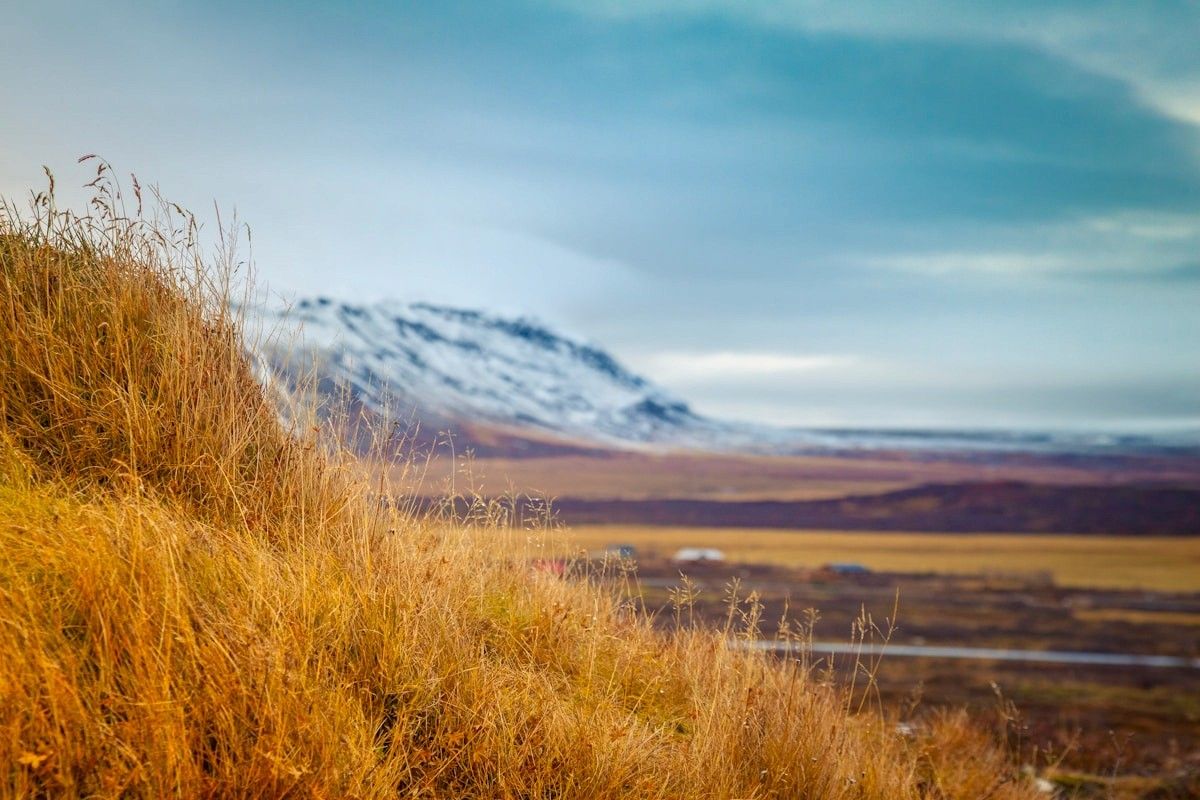
A grassy Icelandic hill beneath a distant mountain

Documenting the End of the Banana

Documenting the End of the Banana

Field Notes

Field Notes

[Research on location]

[Research on location]

empty
X min read
empty
empty

Words

North of Normal

Photography

Anna Jónsdóttir

Location

Hveragerði, Iceland

[TL;DR]

We go to the edge of a changing growing region to see what the forecasts leave out.

There are days in Iceland that do not need much improvement. A road south, a little weather, a stop or two in the right places, and enough time for the day to unfold without anyone asking too much of it. The version of luxury in those days is not really about rarity. It is about rhythm. A warm greenhouse at the right time. A tomato still on the vine. A glass poured outdoors in the wind, more for the absurdity of it than for ideal serving conditions.

Friðheimar is one of those places that has now become well known, and for good reason. But even familiarity does not really take away from it. You still arrive through a stretch of open country and step into that dense, humid brightness of a working greenhouse — rows of vines, fruit in different stages of ripeness, the whole place warm with growth and routine. It does not feel staged, exactly. It feels active, alive, and slightly improbable, which is often better.

A good day trip rarely depends on a single stop. It depends more on contrast: warmth against cold, shelter against exposure, the practical against the memorable. Here, the tomatoes do much of the talking. The colour does the rest. Outside, the landscape still belongs to winter in places. Inside, everything suggests ripeness, care, and patience. It is a pleasing disorientation, and in Iceland that usually means you are somewhere worth being.

The appeal of a place like this is not only the produce, though the produce helps. It is also the way it compresses several things Iceland does well into one small, legible experience: resourcefulness, hospitality, humour, and the refusal to separate beauty from function. A greenhouse is still a greenhouse. A farm is still a farm. But in the right hands, that is already enough.

[TL;DR]

We go to the edge of a changing growing region to see what the forecasts leave out.

There are days in Iceland that do not need much improvement. A road south, a little weather, a stop or two in the right places, and enough time for the day to unfold without anyone asking too much of it. The version of luxury in those days is not really about rarity. It is about rhythm. A warm greenhouse at the right time. A tomato still on the vine. A glass poured outdoors in the wind, more for the absurdity of it than for ideal serving conditions.

Friðheimar is one of those places that has now become well known, and for good reason. But even familiarity does not really take away from it. You still arrive through a stretch of open country and step into that dense, humid brightness of a working greenhouse — rows of vines, fruit in different stages of ripeness, the whole place warm with growth and routine. It does not feel staged, exactly. It feels active, alive, and slightly improbable, which is often better.

A good day trip rarely depends on a single stop. It depends more on contrast: warmth against cold, shelter against exposure, the practical against the memorable. Here, the tomatoes do much of the talking. The colour does the rest. Outside, the landscape still belongs to winter in places. Inside, everything suggests ripeness, care, and patience. It is a pleasing disorientation, and in Iceland that usually means you are somewhere worth being.

The appeal of a place like this is not only the produce, though the produce helps. It is also the way it compresses several things Iceland does well into one small, legible experience: resourcefulness, hospitality, humour, and the refusal to separate beauty from function. A greenhouse is still a greenhouse. A farm is still a farm. But in the right hands, that is already enough.

[TL;DR]

We go to the edge of a changing growing region to see what the forecasts leave out.

There are days in Iceland that do not need much improvement. A road south, a little weather, a stop or two in the right places, and enough time for the day to unfold without anyone asking too much of it. The version of luxury in those days is not really about rarity. It is about rhythm. A warm greenhouse at the right time. A tomato still on the vine. A glass poured outdoors in the wind, more for the absurdity of it than for ideal serving conditions.

Friðheimar is one of those places that has now become well known, and for good reason. But even familiarity does not really take away from it. You still arrive through a stretch of open country and step into that dense, humid brightness of a working greenhouse — rows of vines, fruit in different stages of ripeness, the whole place warm with growth and routine. It does not feel staged, exactly. It feels active, alive, and slightly improbable, which is often better.

A good day trip rarely depends on a single stop. It depends more on contrast: warmth against cold, shelter against exposure, the practical against the memorable. Here, the tomatoes do much of the talking. The colour does the rest. Outside, the landscape still belongs to winter in places. Inside, everything suggests ripeness, care, and patience. It is a pleasing disorientation, and in Iceland that usually means you are somewhere worth being.

The appeal of a place like this is not only the produce, though the produce helps. It is also the way it compresses several things Iceland does well into one small, legible experience: resourcefulness, hospitality, humour, and the refusal to separate beauty from function. A greenhouse is still a greenhouse. A farm is still a farm. But in the right hands, that is already enough.

There are days in Iceland that do not need much improvement. A road south, a little weather, a stop or two in the right places, and enough time for the day to unfold without anyone asking too much of it. The version of luxury in those days is not really about rarity. It is about rhythm. A warm greenhouse at the right time. A tomato still on the vine. A glass poured outdoors in the wind, more for the absurdity of it than for ideal serving conditions.

Friðheimar is one of those places that has now become well known, and for good reason. But even familiarity does not really take away from it. You still arrive through a stretch of open country and step into that dense, humid brightness of a working greenhouse — rows of vines, fruit in different stages of ripeness, the whole place warm with growth and routine. It does not feel staged, exactly. It feels active, alive, and slightly improbable, which is often better.

A good day trip rarely depends on a single stop. It depends more on contrast: warmth against cold, shelter against exposure, the practical against the memorable. Here, the tomatoes do much of the talking. The colour does the rest. Outside, the landscape still belongs to winter in places. Inside, everything suggests ripeness, care, and patience. It is a pleasing disorientation, and in Iceland that usually means you are somewhere worth being.

The appeal of a place like this is not only the produce, though the produce helps. It is also the way it compresses several things Iceland does well into one small, legible experience: resourcefulness, hospitality, humour, and the refusal to separate beauty from function. A greenhouse is still a greenhouse. A farm is still a farm. But in the right hands, that is already enough.

[TL;DR]

We go to the edge of a changing growing region to see what the forecasts leave out.

There are days in Iceland that do not need much improvement. A road south, a little weather, a stop or two in the right places, and enough time for the day to unfold without anyone asking too much of it. The version of luxury in those days is not really about rarity. It is about rhythm. A warm greenhouse at the right time. A tomato still on the vine. A glass poured outdoors in the wind, more for the absurdity of it than for ideal serving conditions.

Friðheimar is one of those places that has now become well known, and for good reason. But even familiarity does not really take away from it. You still arrive through a stretch of open country and step into that dense, humid brightness of a working greenhouse — rows of vines, fruit in different stages of ripeness, the whole place warm with growth and routine. It does not feel staged, exactly. It feels active, alive, and slightly improbable, which is often better.

A good day trip rarely depends on a single stop. It depends more on contrast: warmth against cold, shelter against exposure, the practical against the memorable. Here, the tomatoes do much of the talking. The colour does the rest. Outside, the landscape still belongs to winter in places. Inside, everything suggests ripeness, care, and patience. It is a pleasing disorientation, and in Iceland that usually means you are somewhere worth being.

The appeal of a place like this is not only the produce, though the produce helps. It is also the way it compresses several things Iceland does well into one small, legible experience: resourcefulness, hospitality, humour, and the refusal to separate beauty from function. A greenhouse is still a greenhouse. A farm is still a farm. But in the right hands, that is already enough.